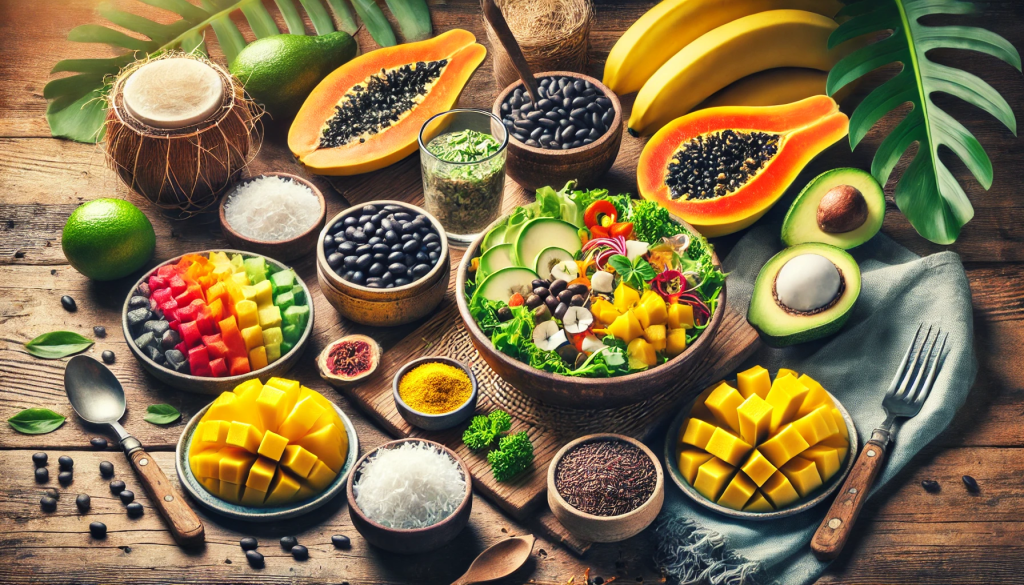
• Balancing Cortisol Naturally with Caribbean Herbs and Foods
    Photo credit: AI

    Chronic stress is a reality for many, often leading to elevated cortisol levels. High cortisol can affect everything from sleep quality to immune health, and even weight management.

    Thankfully, several Caribbean herbs and foods offer natural ways to support cortisol balance and help the body adapt to stress.

    In this blog post, I’ll explore some of the most effective Caribbean herbs for stress relief, along with research-backed benefits.

    1. Soursop: A Natural Calmer

    Soursop (Graviola) is not only known for its delicious fruit but also for its leaves, which are traditionally used as a calming tea. Studies suggest that soursop leaves contain compounds that may reduce anxiety and promote relaxation by interacting with neurotransmitters in the brain. This makes it helpful for lowering cortisol and reducing stress.

    • In a study examining soursop’s calming effects, researchers found that Graviola extract significantly reduced anxiety in animal models, showing its potential as a natural sedative (PubMed).

    2. Passionflower: Nature’s Stress Reliever

    Passionflower, native to the Caribbean and South America, is known for its ability to relieve anxiety and lower cortisol levels. The herb is rich in flavonoids, which can influence GABA receptors in the brain, helping to create a sense of calm without causing drowsiness. Passionflower tea is often used as a gentle remedy to unwind at the end of a long day.

    • A clinical trial demonstrated that passionflower significantly reduced anxiety, making it a promising herbal remedy for stress-related cortisol spikes (PubMed)

    3. Ginger: Inflammation Fighter and Cortisol Regulator

    Ginger is a staple in Caribbean cuisine and traditional medicine. Known for its anti-inflammatory properties, ginger helps support adrenal health, which plays a crucial role in cortisol production. By reducing inflammation, ginger also helps regulate cortisol, providing a calming effect on the body.

    • Several studies demonstrate that ginger’s active compound, gingerol, has anti-inflammatory effects that may benefit cortisol balance and improve overall stress response https://pubmed.ncbi.nlm.nih.gov/29521072/.

    4. Turmeric: Anti-Inflammatory Powerhouse

    Turmeric is widely known for its anti-inflammatory properties, due to its active compound, curcumin. Chronic inflammation can elevate cortisol and by reducing inflammation, turmeric helps lower cortisol levels naturally. Adding turmeric to your diet or consuming it as a tea can support stress management and overall adrenal health.

    Clinical studies indicate that curcumin supplementation significantly lowers cortisol levels, showing promise for individuals experiencing chronic stress (PMID: 38903613; PMCID: PMC11187345)

    5. Coconut: Healthy Fats for Brain and Mood Stability

    Coconut is another Caribbean staple that supports cortisol balance. The healthy fats found in coconut oil and coconut milk improve brain function and stabilize mood, which can help keep cortisol levels in check. Additionally, the medium-chain triglycerides (MCTs) in coconut oil provide a steady source of energy without causing spikes in blood sugar, which helps prevent stress-related cortisol increases.

    ••Research on coconut oil suggests that MCTs may have mood-stabilizing effects, indirectly helping to reduce stress and cortisol levels (PubMed).

    6. Moringa: Nutrient-Dense Adaptogen

    Moringa, often called the “miracle tree,” grows abundantly in the Caribbean and is highly valued for its nutritional benefits. Moringa leaves contain vitamins, minerals, and antioxidants that support adrenal health and help the body adapt to stress. As an adaptogen, moringa assists in normalizing cortisol levels, making it an excellent addition to a stress-relieving diet.

    •• Studies have found that moringa’s adaptogenic properties help improve the body’s response to stress, promoting cortisol balance and overall well-being (PubMed).

    7. Papaya: Vitamin C Boost for Lowering Cortisol

    Papaya is packed with vitamin C, which plays a critical role in lowering cortisol levels and reducing oxidative stress in the body. Vitamin C is a potent antioxidant that supports adrenal health and promotes a calm, balanced mood. Including vitamin C-rich foods like papaya in your diet can be an effective way to reduce cortisol naturally.

    • Research indicates that high doses of vitamin C reduce cortisol in response to stress, highlighting its role in stress management (PubMed).

    Incorporating Caribbean Remedies for Stress Relief

    Our Caribbean foods and herbs can be easily incorporated into your daily routine to help balance cortisol and support stress management.

    Try adding moringa powder to smoothies, using coconut oil in cooking, or enjoying a calming cup of soursop or passionflower tea. The natural benefits of these traditional herbs and foods help to reduce cortisol and promote a healthier, more balanced life.

    Balancing cortisol naturally through Caribbean herbs and foods is not only effective but also allows you to connect with the healing traditions of the Caribbean. Embrace these remedies, and let nature guide you to better stress resilience and well-being.

  • Spelt Flour and Buckwheat Roast Bakes Recipe


    If you’re, like me. I love me some Caribbean food. This recipe is gluten-sensitive friendly, fiber-rich, and inspired by Caribbean flavors. Enjoy these bakes with your favorite spreads or as a side for hearty meals.

    Ingredients:

    •1 cup spelt flour

    •1 cup buckwheat flour

    •1 tsp baking powder

    •½ tsp sea salt

    •1 tsp ground flaxseeds (optional for added fiber)

    •2 tbsp coconut oil or avocado oil

    •¾ cup warm water (adjust as needed)

    •1 tsp coconut sugar or honey (optional, for a touch of sweetness)

    •1 tsp dried thyme (optional for a savory touch)

     I pair this one with shredded baked chicken, spinach and cucumber salad, with banana ketchup. 

    Instructions:

    1.Preheat oven to 375°F (190°C) and line a baking tray with parchment paper.

    2.Combine dry ingredients: In a large mixing bowl, whisk together the spelt flour, buckwheat flour, baking powder, sea salt, and ground flaxseeds. If using coconut sugar and thyme, add them here.

    3.Add oil: Drizzle in the coconut oil or avocado oil and mix until the flour mixture has a slightly crumbly texture.

    4.Add water: Slowly pour in the warm water while mixing with a spoon or your hands. Combine until a soft dough forms. It should be slightly sticky but manageable.

    5.Shape the bakes: Divide the dough into small balls (about 6-8 depending on your preferred size). Flatten each ball into a round disc, about ½ inch thick.

    6.Roast: Place the bakes on the prepared baking tray and bake for 15-18 minutes or until golden brown on the outside and firm to the touch.

    7.Cool & Serve: Remove from the oven and allow them to cool for a few minutes. Serve warm with avocado, hummus, or your favorite spreads.

    Ready to lower your blood sugar and A1C? Join the Self-Management Workshop


  • Acid reflux, also known as gastroesophageal reflux disease (GERD), is a common condition that affects many people around the world. If you’ve ever experienced heartburn, that burning sensation in your chest, you know how uncomfortable it can be. Fortunately, there are natural remedies and lifestyle changes that can help ease symptoms and promote long-term digestive health.

    In this post, we’ll explore some of the most effective herbs and wellness habits to relieve acid reflux naturally, so you can live without discomfort and maintain a healthy digestive system.

    Herbal Remedies for Acid Reflux

    Herbs have been used for centuries to treat digestive issues, and acid reflux is no exception. Below are a few potent herbs known to soothe the stomach and reduce acid reflux symptoms.

    1. Ginger

    Ginger is a powerful anti-inflammatory herb that has been used for centuries to ease digestive issues. It works by calming the stomach, reducing nausea, and preventing acid from flowing back up into the esophagus. Sipping on ginger tea or adding fresh ginger to your meals can make a noticeable difference in how your stomach feels after eating.

    2. Chamomile

    Known for its calming properties, chamomile can also work wonders for your digestive system. Drinking chamomile tea before bed may help reduce inflammation in the esophagus and relieve acid reflux, especially if stress is a trigger for your symptoms.

    3. Slippery Elm

    Slippery elm is a mucilaginous herb, meaning it forms a gel-like substance when mixed with water. This gel coats the esophagus and stomach lining, providing a protective barrier that helps prevent stomach acid from causing irritation. Taking slippery elm lozenges or teas can offer soothing relief.

    4. Licorice Root (DGL)

    Deglycyrrhizinated licorice (DGL) is a form of licorice that helps increase mucus production in the digestive tract, providing protection against stomach acid. It’s best consumed as chewable tablets or in tea form, and many people find it helps with chronic acid reflux.

    5. Aloe Vera

    Aloe vera isn’t just for sunburns! Drinking aloe vera juice can help soothe the esophagus and reduce inflammation, making it a great addition to your acid reflux prevention routine. Make sure to choose food-grade aloe vera juice, as it’s specially processed for internal use.

    Wellness Habits to Prevent Acid Reflux

    While herbs can provide relief, long-term management of acid reflux often requires some changes in lifestyle. Here are several habits you can adopt to reduce the frequency and severity of acid reflux.

    1. Eat Smaller, More Frequent Meals

    Instead of three large meals, opt for five or six smaller meals throughout the day. Large meals can put pressure on your stomach, increasing the likelihood of acid reflux. Smaller, more frequent meals reduce that risk and help keep digestion smooth.

    2. Avoid Trigger Foods

    Certain foods are notorious for triggering acid reflux. Common culprits include spicy dishes, caffeine, alcohol, fatty foods, citrus fruits, tomatoes, and chocolate. Pay attention to how your body reacts after eating and try to eliminate or limit foods that cause discomfort.

    3. Stay Upright After Eating

    Gravity can be your best friend when it comes to acid reflux. After eating, resist the urge to lie down right away. Staying upright for at least 2-3 hours after meals allows your stomach to digest food properly and prevents acid from flowing back up into the esophagus.

    4. Elevate Your Bed

    If acid reflux often bothers you at night, try raising the head of your bed by about 6-8 inches. Sleeping at an incline helps prevent stomach acid from creeping into your esophagus while you sleep.

    5. Practice Mindful Eating

    Eating too quickly or while distracted can cause you to swallow air along with your food, increasing the risk of acid reflux. Practice mindful eating by slowing down, chewing your food thoroughly, and savoring each bite.

    6. Manage Stress

    Stress is a major trigger for acid reflux in many people. Incorporating stress management techniques such as yoga, meditation, and deep breathing exercises can help you stay calm and reduce reflux symptoms.

    7. Maintain a Healthy Weight

    Excess weight, particularly around the abdomen, can increase pressure on your stomach and cause acid to move upward. Regular physical activity and a balanced diet can help you maintain a healthy weight and reduce reflux episodes.

    While occasional acid reflux is common, frequent or severe symptoms can be disruptive to your daily life. By incorporating natural remedies like ginger, chamomile, and slippery elm into your routine, along with making key lifestyle changes, you can significantly reduce your symptoms and improve your overall well-being.

    Remember, what works for one person may not work for another. It’s important to pay attention to your body, keep track of what triggers your acid reflux, and adjust your habits accordingly. With these natural remedies and wellness practices, you’ll be well on your way to enjoying life free of acid reflux!

    Have you tried any of these remedies for acid reflux? Share your experience with us, or let us know if you have other natural tips for digestive health!

  • How to Get 25 grams of Fiber on a Caribbean Diet

    Boost Your Gut Health with Fiber

    Are you looking to enhance your gut health and overall well-being? Look no further than fiber! Fiber plays an important role in maintaining a healthy digestive system. Increasing your intake can have numerous benefits for your gut. 

    Let’s dive into one reason why you should prioritize fiber. Below we will explore a simple Caribbean culture focused meal plan to help you reach a daily fiber goal of 25 grams.

    The Gut-Friendly Benefits of Fiber:

    Promotes Digestive Regularity: 

    One of the primary roles of fiber is to add bulk to your stool, which aids in proper bowel movements. 

    Insoluble fiber, found in foods like whole grains and vegetables, acts like a sponge in the digestive tract, absorbing water and making stools softer and easier to pass.

     On the other hand, soluble fiber, found in foods like oats, legumes, and fruits, forms a gel-like substance in the digestive tract, slowing down digestion and promoting a feeling of fullness. 

    By keeping things moving smoothly through your digestive system, fiber helps prevent constipation and promotes regularity, which is essential for a healthy gut.

    Fiber plays a crucial role in managing blood sugar levels, high blood pressure, and cholesterol. It can slow the absorption of sugar, help regulate blood pressure, and reduce LDL cholesterol levels. Foods high in fiber, like fruits, vegetables, whole grains, and legumes, are beneficial for overall heart health and can contribute to better management of these conditions.

    How to get 25 Grams of Fiber Daily on a Caribbean Diet:

    Breakfast:

    – Oatmeal topped with sliced bananas and a tablespoon of chia seeds: 8 grams of fiber

    – Whole-grain toast with avocado: 4 grams of fiber

    Total fiber: 12 grams

    Mid-Morning Snack:

    – Apple slices with almond butter: 4 grams of fiber

    Lunch:

    – Rice and peas with steamed cabbage and mixed vegetables: 10 grams of fiber  + stew chicken

    Total fiber: 10 grams

    Afternoon Snack:

    – Carrot sticks with chickpeas hummus: 3 grams of fiber

    Dinner:

    – Jerk salmon with roasted Brussels sprouts and a side of brown rice: 8 grams of fiber

    Total fiber: 8 grams

    Evening Snack:

    – Air-popped popcorn: 3 grams of fiber

    Total Daily Fiber Intake: 25 grams

    By incorporating fiber-rich foods into each meal and snack, you can easily meet your daily fiber goal of 25 grams and support a healthy gut. 

    Remember to drink plenty of water throughout the day to help fiber move smoothly through your digestive system.

    Lastly, increasing your fiber intake is a simple yet powerful way to improve your gut health.

    By promoting digestive regularity and overall gut function, fiber sets the foundation for a happier and healthier digestive system. So, why wait? Start incorporating more fiber-rich foods into your diet today and reap the benefits of a happy gut!

  •  

    Constipation is a very common issue among toddlers and older children. Most children do not get adequate fiber in their diet. Some foods can cause constipation.  Nutritional therapy can help including a properly balanced diet can help relieve constipation. 


    Dairy food allergy contributes to constipation in children 3 months and older. A study was done to investigate the effects of cow’s milk protein in infants and toddlers and found out that in the first three years of life cow milk allergy was one of the most frequent causes of constipation. 


    Whole food can be used for relieving constipation in toddlers. Two great options are oats and apples.


    Dietary fiber is necessary and beneficial. The recommended daily total fiber for children older than 1 year is determined by age plus 5 or 0.5 g/kg.(3)


    Other fiber-rich foods include vegetables, fruits, and whole grains. When dietary fiber intake is consumed, it increases stool and stimulates colon transit.


    Constipation is typically characterized by infrequent bowel evacuations having one or two of the following:

    • Large stools, and difficult or painful defecation. 

    • Less than 3 bowels per week.

    • Painful defecation

    • Passing out large stools that cause obstruction

    • Blood in stools

    • Soiling


    This is a plant-based milk alternative for children ages 1 and up.

    Makes 56 fluid ounces

    Prep time: 5minutes

    Cook time: 5-10 minutes

    Serving size: 8-10 ounces

    Ingredients:


    2/3 cups of oats (steel-cut or old-fashioned)

    2 apples, peeled and cored

    1 handful of greens (spinach, kale, callaloo)

    ½ cup soaked hemp seeds

    4-6 Medjool dates

    6 dried apricots

    ½ inch cinnamon sticks

    3 cups of water for cooking the oats with the other ingredients

    5-6 cups of water for blending


    Nutritional Facts 

    Calories: 153

    Fats: 4.8g

    Carbohydrates: 24.5g

    Protein: 4.6g 

    Dietary fiber: 4g 

    Sugars: 9g

    Added Sugar: 0

    Vitamin D: 0

    Calcium: 3.7%

    Iron: 10.6%

    Potassium: 98 mg

    Vitamin A: 11%

    Vitamin C: 14%


    Method

    In a medium, add 3 cups of water. Add all the ingredients. Steam under low-medium heat for 10 minutes. Allow to cool down. After the mixture has cooled down, In a blender add 2.5 cups of water and 2-3 cups of the cooked oats mixture. Strain into a glass jar. Do this until you have blended all the cooked oats. Store in refrigerator for to 3 days.


  • Detox water has gained immense popularity for its refreshing taste and purported health benefits. It’s a simple and delicious way to stay hydrated while giving your body a gentle cleanse. In this blog post, we’ll explore the benefits of detox water and provide you with an easy recipe to create your own flavorful concoction.

    5 Benefits of Detox Water:

    1. Hydration Boost: Staying hydrated is crucial for overall health, and detox water makes it more enticing with added natural flavors.

    2. Promotes Weight Loss: Some ingredients in detox water, like lemon and cucumber, may aid in weight management by boosting metabolism and reducing cravings.

    3. Flushes Out Toxins: Ingredients like mint and ginger can have detoxifying properties, helping your body eliminate toxins.

    4. Improved Digestion: Detox water can support digestion, especially when infused with ingredients like cucumber and mint, known for their digestive benefits.

    5. Enhances Skin Health: Hydration from detox water can contribute to a radiant complexion, while ingredients like citrus fruits provide a dose of skin-loving vitamins.

    DO YOU STRUGGLE TO KEEP YOUR WELLNESS GOALS? Click Here!

    Detox Water Recipe:

    Ingredients:

    • 1 lemon, sliced

    • 1 cucumber, sliced

    • 10-12 fresh mint leaves

    • 1 inch of ginger, sliced

    • 2 liters of water 

    Instructions:

    1. Wash and slice the lemon, cucumber, and ginger.

    2. In a large pitcher, combine the sliced ingredients.

    3. Add fresh mint leaves to the pitcher.

    4. Fill the pitcher with 2 liters of water.

    5. Refrigerate for at least 2 hours to allow the flavors to infuse.

    Enjoy this refreshing detox water throughout the day, and feel free to customize the recipe with your favorite fruits and herbs.

    Conclusion:

    Detox water is a simple yet effective way to enhance your hydration routine and promote overall well-being. With its delightful flavors and potential health benefits, it’s a drink that not only quenches your thirst but also nourishes your body. Try this easy recipe, and let the refreshing journey to better health begin!

  • The joyous holiday season often brings indulgent feasts and delightful treats, leaving us feeling a bit sluggish and bloated. As we step into the new year, there’s no better time to embrace the revitalizing benefits of detox juice for a much-needed colon cleanse and bloating relief. Let’s explore how incorporating these vibrant elixirs into your routine can be a game-changer for restoring digestive balance.

    3 – DAY SAMPLE MEAL PLAN GUIDE

    1. Gentle Colon Cleanse:

    After weeks of festive feasting, our digestive system may need a gentle nudge to eliminate accumulated toxins and promote optimal functioning. Detox juices, enriched with fibrous vegetables like kale, carrots, and beets, play a crucial role in supporting a gentle colon cleanse. The soluble and insoluble fibers in these ingredients aid in regular bowel movements, as emphasized by a study in the World Journal of Gastroenterology (Reference: Anderson, J. W., Baird, P., Davis, R. H., Jr, Ferreri, S., Knudtson, M., Koraym, A., … & Williams, C. L. (2009). Health benefits of dietary fiber. World Journal of Gastroenterology, 15(47), 6095–6101).

    2. Bloating Relief with Digestive Soothers:

    The aftermath of holiday indulgence often includes the discomfort of bloating. Detox juices, infused with digestion-soothing ingredients like mint, ginger, and fennel, can be a natural remedy. Mint, renowned for its carminative properties, can help relax the digestive tract and alleviate bloating (Reference: McKay, D. L., & Blumberg, J. B. (2006). A review of the bioactivity and potential health benefits of peppermint tea (Mentha piperita L.). Phytotherapy Research, 20(8), 619–633).

    3. Hydration for Restoration:

    The combination of holiday festivities and winter weather can lead to dehydration, hindering the body’s natural detoxification processes. Detox juices, featuring hydrating elements like cucumber and watermelon, contribute to replenishing lost fluids and supporting overall hydration. Proper hydration is key to effective detoxification, as highlighted in a comprehensive review on water, hydration, and health (Reference: Popkin, B. M., D’Anci, K. E., & Rosenberg, I. H. (2010). Water, hydration, and health. Nutrition Reviews, 68(8), 439-458).

    3- DAY SAMPLE MEAL PLAN GUIDE

    As we embark on a new year, consider incorporating these vibrant and nutrient-packed detox juices into your routine. However, always approach any significant dietary changes with mindfulness, and it’s advisable to consult with a healthcare professional, especially if you have underlying health conditions. Here’s to a fresh start and a revitalized, balanced digestive system in the post-holiday season!


    1. Green Goddess Detox Juice:

    Ingredients: 

    1 cup Spinach 

    2 cucumbers

    4  celery

    2 green apple

    1 lemon

    1 inch ginger

    •Benefits: Packed with antioxidants and chlorophyll, this juice supports liver function, aids digestion, and promotes overall detoxification. (Reference: Fuhrman, J. (2011). Super Immunity: The Essential Nutrition Guide for Boosting Your Body’s Defenses to Live Longer, Stronger, and Disease Free.)

    2. Citrus Burst Cleansing Juice:

    Ingredients: 

    2 Oranges 

    1 grapefruits

    2 lbs carrots

    2 inches turmeric

    2  mint leaves 

    •Benefits: Rich in vitamin C and bioactive compounds, this juice helps flush out toxins, boosts immune function, and provides anti-inflammatory effects. (Reference: Carr, A. C., & Maggini, S. (2017). Vitamin C and Immune Function. Nutrients, 9(11), 1211.)

    3. Beetroot Detox Elixir:

    Ingredients: 

    2 Beets

    2 carrots

    1 green apple

    1 lemon, 

    1 inch ginger

    •Benefits: Beetroot contains betalains, which support the liver’s detoxification process, while the other ingredients provide essential nutrients for overall well-being. (Reference: Kapadia, G. J., Azuine, M. A., Rao, G. S., & Arai, T. (2003). Cytotoxic effect of the red beetroot (Beta vulgaris L.) extract compared to doxorubicin (Adriamycin) in the human prostate (PC-3) and breast (MCF-7) cancer cell lines. Anti-Cancer Agents in Medicinal Chemistry, 3(4), 267-281.)

  • Fermented Honey and Immune-Boosting Allies Against Flu, Cold, and COVID

    In the quest for natural remedies to bolster our immune system, fermented honey emerges as a golden elixir. Combined with the immune-boosting powerhouses of garlic, turmeric, red onion, ginger, and black pepper, it forms a formidable defense against flu, colds, and even the challenges posed by COVID. Let’s delve into the benefits and discover a recipe to fortify your health.

    Benefits of Fermented Honey in Immune Support:

    1. Probiotic Reinforcement: Fermented honey introduces beneficial bacteria to the gut, promoting a robust immune response against pathogens.

    2. Antiviral Properties: The natural enzymes produced during fermentation may enhance honey’s antiviral properties, helping combat viruses that cause colds and flu.

    3. Immune System Modulation: Fermented honey’s unique compounds may assist in modulating the immune system, striking a balance crucial for effective defense.

    4. Respiratory Health: Honey has long been recognized for its soothing effect on the respiratory system, providing relief from coughs and congestion.

    Benefits of Garlic, Turmeric, Red Onion, Ginger, and Black Pepper in Immune Support:

    1. Synergistic Antiviral Action: Garlic’s allicin, turmeric’s curcumin, red onion’s quercetin, ginger’s gingerol, and black pepper’s piperine collectively exert potent antiviral effects.

    2. Anti-Inflammatory Shield: The combination of these ingredients forms a robust anti-inflammatory shield, crucial for minimizing the severity of symptoms associated with flu, colds, and respiratory infections.

    3. Enhanced Antioxidant Defense: Rich in antioxidants, this blend can neutralize free radicals, reducing oxidative stress on the body and supporting overall health.

    4. Improved Respiratory Function: Ginger and turmeric contribute to respiratory health by reducing inflammation and promoting clearer airways.

    Recipe: Immune-Boosting Fermented Honey Elixir


    Ingredients:

    •1 cup raw honey

    •3 cloves garlic (chopped)

    •1 tablespoon grated fresh turmeric

    •1/4 cup finely chopped red onion

    •1 inch chopped fresh ginger

    •1/2 teaspoon black pepper

    Instructions:

    1. Mix all ingredients thoroughly in a glass jar.

    2. Seal the jar and place it in a cool, dark spot for 1-2 weeks, stirring every few days.

    3. Strain the mixture to remove solids, yielding a smooth, immune-boosting elixir.

    4. Store the fermented honey elixir in the refrigerator.

    References:

    1. S. Majtan, “Honey: An immunomodulator in wound healing,” Wound Repair and Regeneration, 2014.

    2. H. Bayan et al., “Garlic: A review of potential therapeutic effects,” Avicenna Journal of Phytomedicine, 2014.

    3. J. Aggarwal and G. S. Dhatt, “Curcumin: The Indian solid gold,” Advances in Experimental Medicine and Biology, 2021.

    4. M. G. Miguel, “Antioxidant activity of medicinal and aromatic plants. A review,” Flavour and Fragrance Journal, 2010.

  • Photo credit: Canva.com

    Metabolic syndrome is a collection of risk factors that can significantly increase your chances of developing heart disease, stroke, and type 2 diabetes. These risk factors include obesity, high blood pressure, elevated blood sugar levels, and abnormal cholesterol levels. The good news is that making physical activity a regular part of your life can be a powerful tool in reducing the risk of metabolic syndrome and its associated health complications [1].

    One common recommendation you might have heard is to aim for 150 minutes of exercise per week [2]. This guideline is not arbitrary; it’s based on extensive research and expert consensus. In this blog post, we’ll explore why 150 minutes of exercise per week is recommended to reduce the risk of metabolic syndrome and how you can achieve this goal.

    Why 150 Minutes of Exercise?

    The recommendation of 150 minutes of exercise per week, which translates to about 30 minutes of moderate-intensity exercise on most days, is supported by organizations like the World Health Organization (WHO) and the American Heart Association. Here’s why this amount of exercise is beneficial:

    1. Weight Management: Regular exercise helps with weight control and can aid in preventing obesity, a significant risk factor for metabolic syndrome [3].

    2. Improved Insulin Sensitivity: Physical activity enhances the body’s sensitivity to insulin, making it easier to control blood sugar levels and reducing the risk of type 2 diabetes, a key component of metabolic syndrome [4].

    3. Lower Blood Pressure: Exercise has been shown to help lower high blood pressure, which is another crucial component of metabolic syndrome.

    4. Enhanced Lipid Profile: Exercise leads to favorable changes in cholesterol levels, including increasing “good” HDL cholesterol and lowering triglycerides, reducing the risk of heart disease [3].

    5. Cardiovascular Health: Regular exercise strengthens the heart and blood vessels, reducing the risk of heart disease and stroke [3].

    How to Achieve 150 Minutes of Exercise

    Meeting the 150-minute exercise goal is achievable for most people. Here are some tips to help you get started:

    1. Find Activities You Enjoy: Choose physical activities that you genuinely enjoy, whether it’s brisk walking, cycling, swimming, dancing, or playing a sport. This will make it easier to stick to your routine.

    2. Set Realistic Goals: If you’re new to exercise, start slowly and gradually increase the duration and intensity of your workouts. Aim for at least 30 minutes of exercise on most days.

    3. Incorporate Strength Training: In addition to aerobic exercises, include strength training exercises at least two days a week. This can help build muscle, boost metabolism, and further improve insulin sensitivity.

    4. Make It a Habit: Schedule your exercise sessions as you would any other important appointment. Consistency is key to reaping the benefits of regular physical activity.

    5. Consult a Professional: If you have underlying health conditions or concerns, consider consulting with a healthcare provider or fitness professional to create a tailored exercise plan.

    Remember that every bit of physical activity counts, so don’t be discouraged if you can’t do 150 minutes all at once. Shorter bouts of activity throughout the day can add up to meet your weekly goal.

    In conclusion, 150 minutes of exercise per week is a practical and effective way to reduce the risk of metabolic syndrome and improve overall health. By making physical activity a regular part of your life and adopting a balanced diet, you can take significant steps toward preventing metabolic syndrome and its associated health complications.

    Reference:

    1. Swarup S, Goyal A, Grigorova Y, Zeltser R. Metabolic Syndrome. In: StatPearls. Treasure Island (FL): StatPearls Publishing; October 24, 2022.
    2. Lakka TA, Laaksonen DE. Physical activity in prevention and treatment of the metabolic syndrome. Appl Physiol Nutr Metab. 2007;32(1):76-88. doi:10.1139/h06-113
    3. Paley, C.A., Johnson, M.I. Abdominal obesity and metabolic syndrome: exercise as medicine?. BMC Sports Sci Med Rehabil 10, 7 (2018)
    4. Borghouts LB, Keizer HA. Exercise and insulin sensitivity: a review. Int J Sports Med. 2000;21(1):1-12. doi:10.1055/s-2000-8847

    Next Step to Taking Charge of Your Well-being

  •  How High Blood Sugar Levels Impact Your Menstrual Cycle

    The menstrual cycle is a complex and delicate biological process that is influenced by various factors, including hormones, lifestyle, and overall health. One often overlooked factor that can affect the menstrual cycle is high blood sugar levels. High blood sugar, or hyperglycemia, can have a significant impact on a woman’s reproductive health. In this blog, we will explore how elevated blood sugar levels can affect your period and overall menstrual health.

    Understanding the Menstrual Cycle

    Before delving into the impact of high blood sugar on the menstrual cycle, let’s briefly review the menstrual cycle itself. The menstrual cycle is a monthly series of hormonal changes that prepare a woman’s body for potential pregnancy. It typically lasts around 28 days, although it can vary from person to person.

    Key hormones involved in the menstrual cycle include estrogen and progesterone. These hormones rise and fall throughout the cycle, leading to the shedding of the uterine lining during menstruation and the preparation of the uterine lining for possible embryo implantation.

    High Blood Sugar and Menstrual Irregularities

    1. Irregular Menstrual Cycles:

       High blood sugar levels can disrupt the hormonal balance in the body. This disruption can lead to irregular menstrual cycles, including missed periods or unpredictable bleeding. Irregular cycles can make it challenging to track ovulation, plan for pregnancy, or manage contraception effectively.

    2. Polycystic Ovary Syndrome (PCOS):

       PCOS is a common hormonal disorder that can be exacerbated by high blood sugar levels. PCOS is characterized by the presence of small cysts on the ovaries and can lead to irregular periods, heavy bleeding, and fertility issues. High blood sugar can worsen insulin resistance, a hallmark of PCOS, making it even more difficult to manage the condition.

    3. Hormonal Imbalances:

       Elevated blood sugar can disrupt the delicate balance of hormones responsible for regulating the menstrual cycle. This can result in anovulation (lack of ovulation) or oligomenorrhea (infrequent periods). Hormonal imbalances can also lead to mood swings, acne, and other menstrual-related symptoms.

    4. Fertility Challenges:

       High blood sugar levels can negatively impact fertility by interfering with the regular release of eggs from the ovaries. This can make it difficult for women to conceive.

    Managing High Blood Sugar for Better Menstrual Health

    To improve menstrual health and reduce the impact of high blood sugar on your period, consider the following strategies:

    1. Maintain a Balanced Diet: Focus on a diet rich in whole grains, lean proteins, fruits, and vegetables. Limit sugary and processed foods, which can lead to blood sugar spikes.

    2. Exercise Regularly: Physical activity helps regulate blood sugar levels and can also improve overall hormonal balance.

    3. Monitor Blood Sugar: If you have diabetes or prediabetes, work with your healthcare provider to manage your blood sugar levels effectively.

    4. Seek Medical Advice: If you experience irregular periods or suspect hormonal imbalances, consult a healthcare professional. They can help diagnose and treat underlying conditions.

    High blood sugar levels can disrupt the intricate hormonal dance that governs the menstrual cycle, leading to irregular periods, fertility challenges, and other menstrual health issues. By managing blood sugar through diet, exercise, and medical guidance, you can take steps to mitigate these effects and support your overall well-being. Remember that each person’s body is unique, so it’s essential to seek personalized wellness advice if you encounter persistent menstrual irregularities or high blood sugar levels.

    START YOUR WELLNESS JOURNEY HERE